Developing Lyocell Denim: Softness, Drape & Responsible Sourcing

jchen • October 23, 2026

Responsible material selection considers fiber origin, composition, applicable certifications, durability, and traceability, alongside information about the washing process.

Why Use Lyocell in Denim?

Lyocell is a regenerated cellulosic fiber. Denim development can use its smooth hand feel and drape for wide-leg trousers, womenswear, shirts, and collections focused on next-to-skin comfort. Assess softness, sheen, and moisture absorption against the blend ratio, yarn, fabric construction, and finishing.

Review environmental information for the specific supplier and material. When using branded fiber names such as TENCEL™, confirm the relevant supply-chain documents and brand-use requirements.

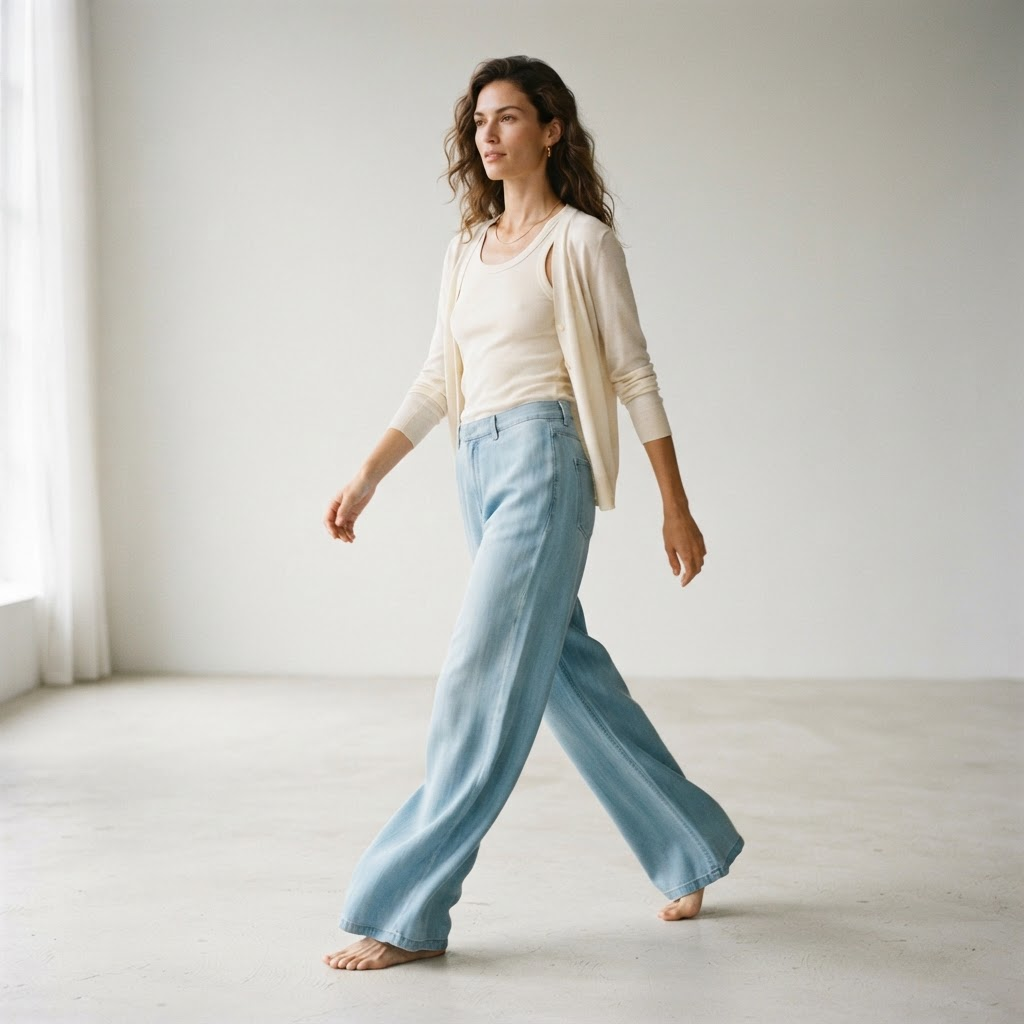
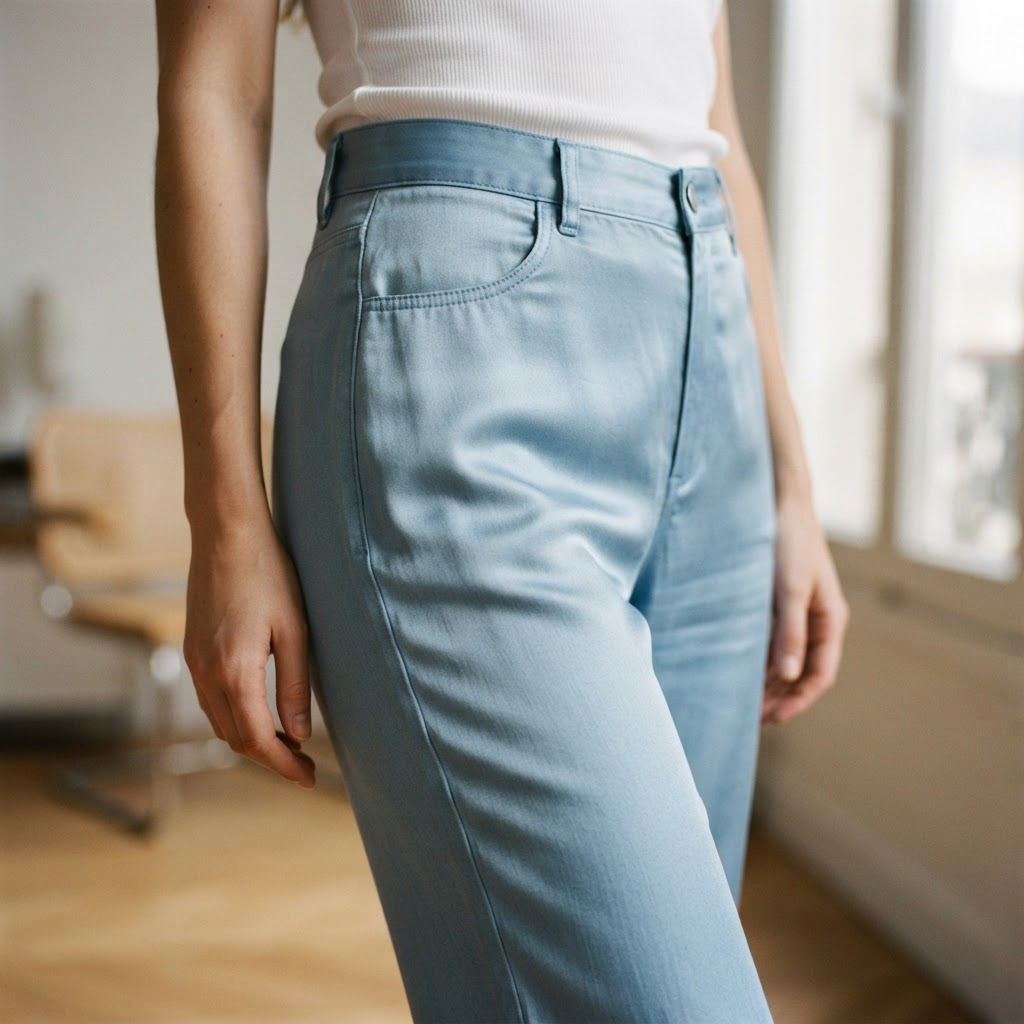
Illustrative image of a model walking in light blue wide-leg trousers, showing flowing legs and draped lines.

Styling example: the flowing silhouette and drape of light blue wide-leg trousers.

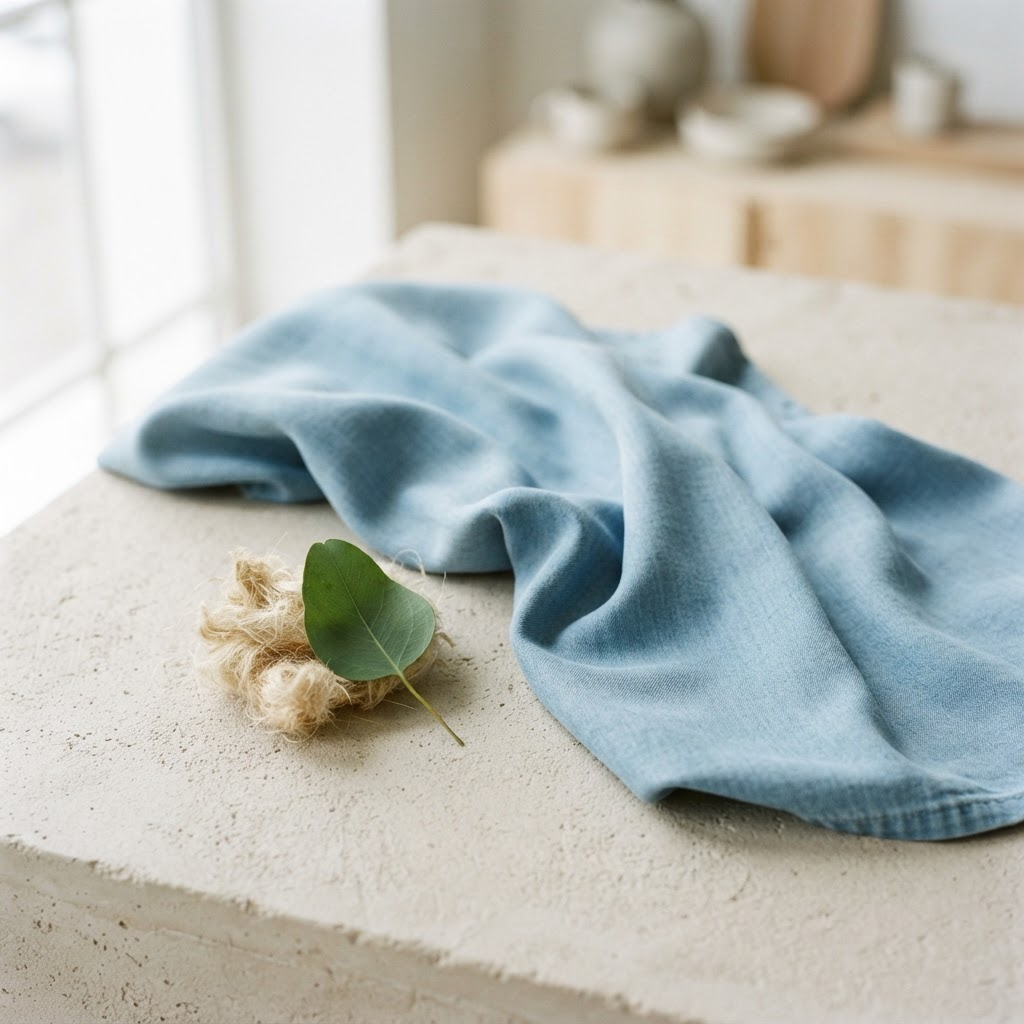
Illustrative close-up of light blue trousers showing the waistband, front pocket, and natural thigh creases.

Detail example: pale blue fabric, front pockets, and natural creases.

Verify Fiber Composition with Third-Party Testing

For styles labeled as 100% lyocell, support the composition claim with a third-party fiber analysis report for the relevant sample. For blends, confirm the declared percentages against test results and product specifications.Link style numbers, submitted samples, reports, and production batches within the sourcing documentation to maintain traceability.

Sourcing Note

A test report applies to the submitted sample and the properties listed in the report. Confirm its relevance to the product being ordered.

Define the Desired Wearing Experience First

Set the target hand feel, drape, structure, and use before choosing the lyocell content and fabric construction.Compare different lyocell contents for softer, more fluid designs. For a more traditional denim structure, assess cotton–lyocell blends. Where both lightness and body are required, compare yarn and weave options, then verify the silhouette on washed garment samples.

Support Responsible Sourcing with Documentation

Check fiber composition, origin, batch numbers, applicable certifications, and relevant transaction documents. Obtain information on restricted substances, water, energy, and chemical management according to the project requirements.Link public statements to specific materials, processes, and supporting documents so brands and buyers can assess the same evidence.

Check Durability and Production Requirements

When changing fiber composition, reassess yarn evenness, fabric strength, shrinkage, colorfastness, and appearance after washing. For multi-fiber blends, also review end-of-life recycling requirements.Use the intended service life, home-laundering tests, seam strength, and repairability to define quality standards for the product’s use. Communicate its properties with verifiable descriptions.

Share your material goals and market requirements. We can help compare fiber options, testing documentation, wash performance, and production conditions.

Related Articles

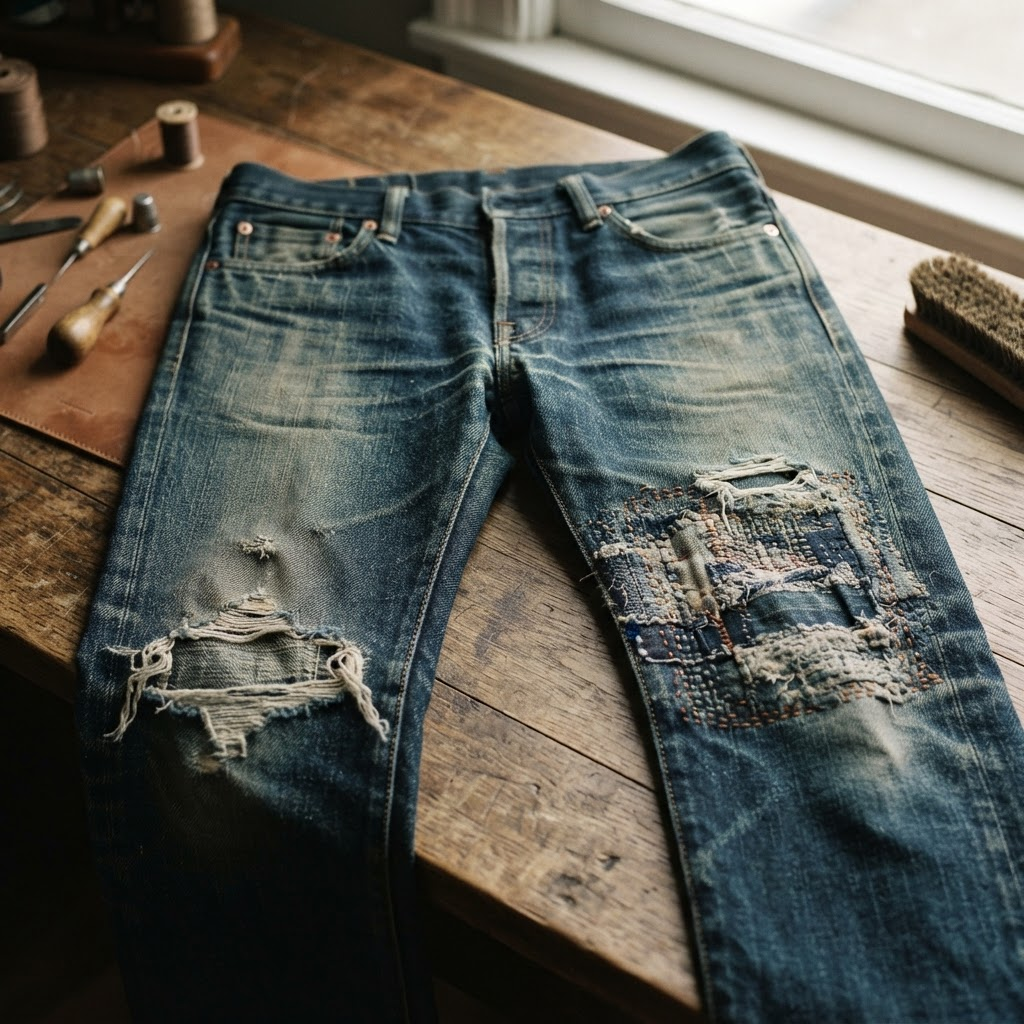
Illustrative image of jeans laid on a wooden table, showing thigh whiskering, distressed knees, and
作者: jchen • October 29, 2026
An illustrative guide to producing distressed jeans, covering damage specifications, seam bulk, size grading, and wash checks for apparel development.
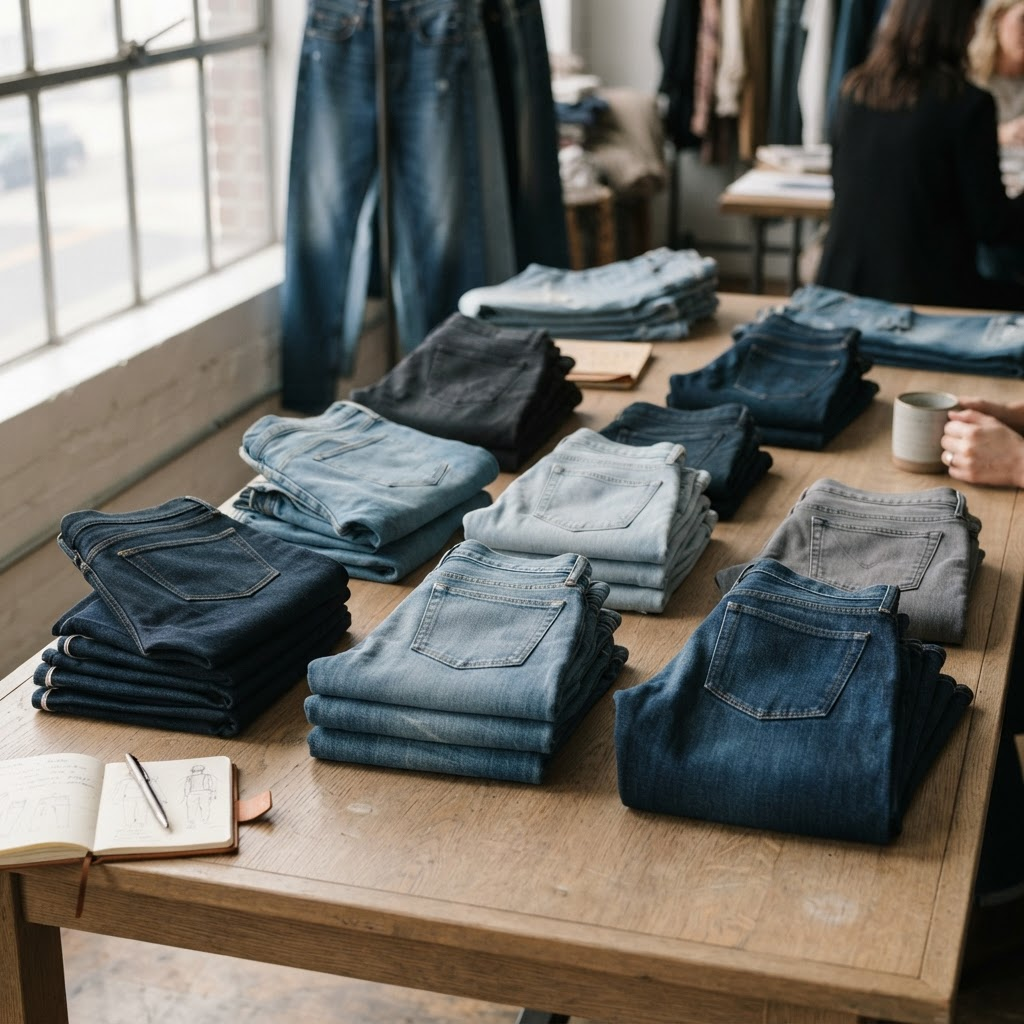
Illustrative image of dark blue, light blue, and gray jeans folded in groups on a wooden table, show
作者: jchen • October 27, 2026
Explore five directions for 2027 denim sourcing, from wide and barrel fits to utility details, subtle flares, and inclusive sizing, with assortment planning insights.
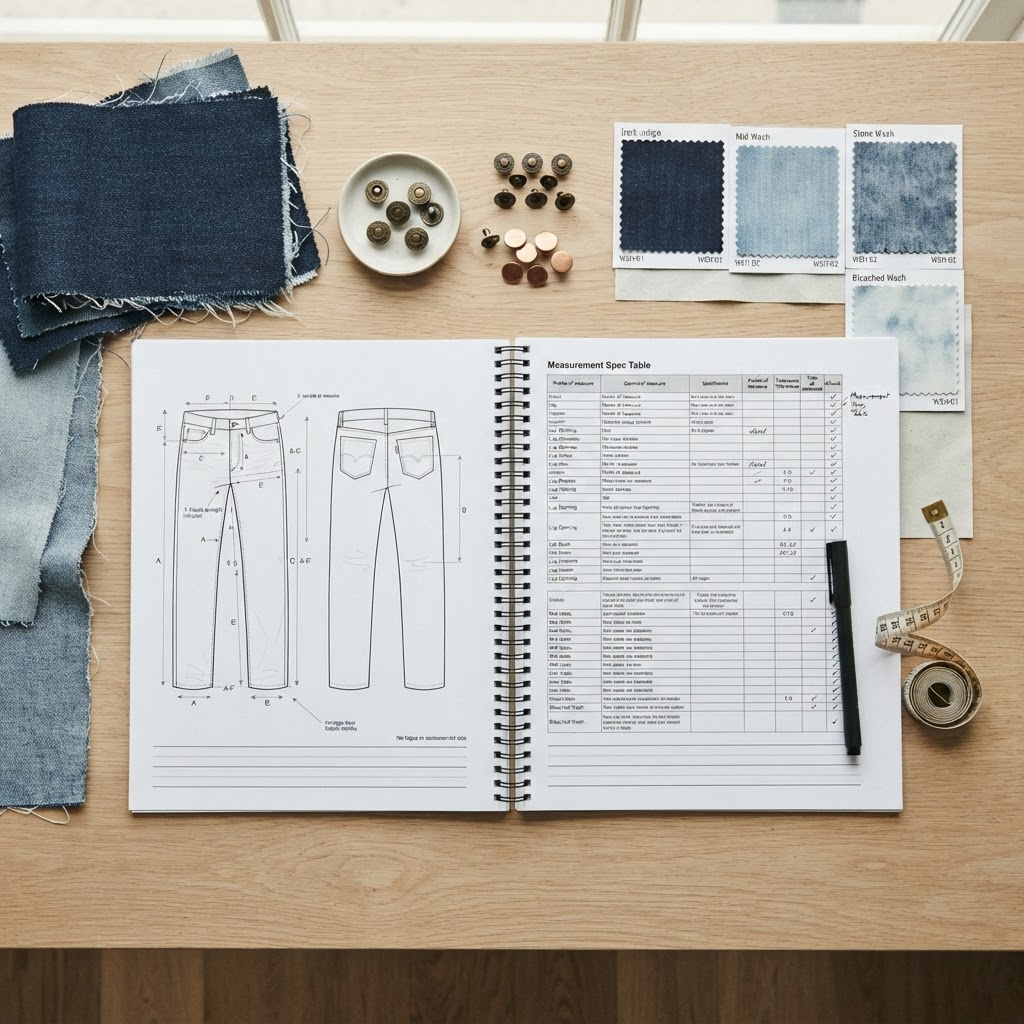
Illustrative image of denim development documents on a wooden table, showing front and back technica
作者: jchen • October 25, 2026
Starting a denim brand? Explore OEM and ODM options and the nine steps from inquiry and sampling to production, quality inspection, and delivery.
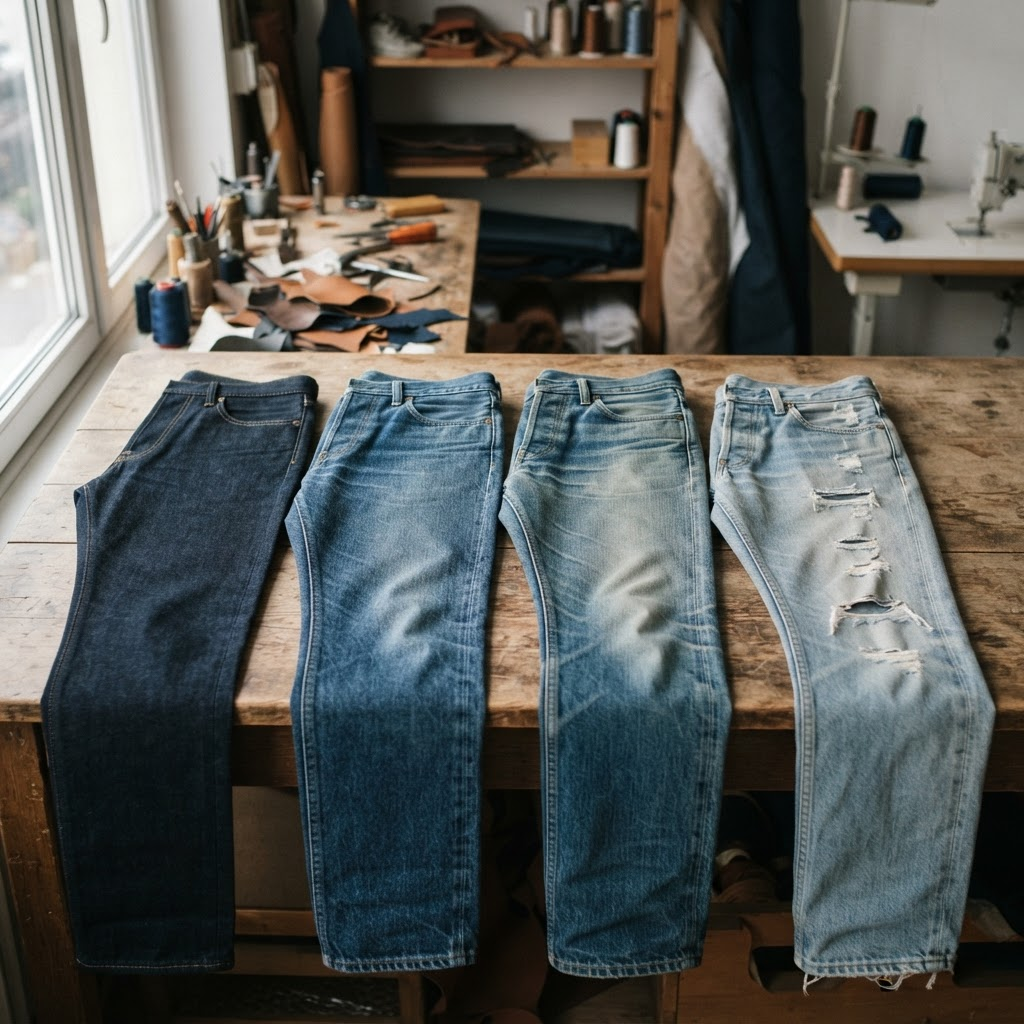
Illustrative image of four jeans in different washes arranged on a wooden table, showing whiskering
作者: jchen • October 21, 2026
Explore denim whiskering, laser finishing, stone washing, enzyme washes, acid washes, and garment dyeing, with practical guidance on samples and production.
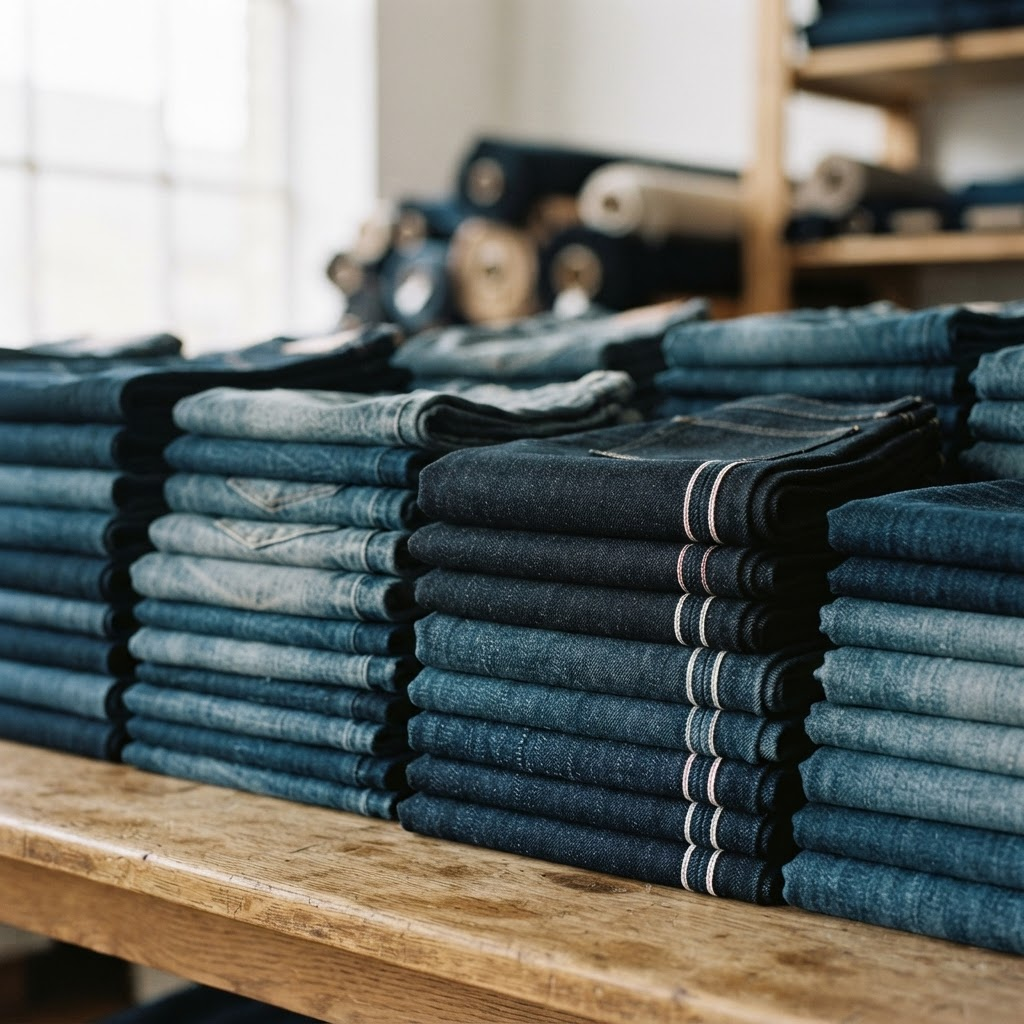
Illustrative image of stacked jeans in different blue washes, showing folded fabric edges and denim
作者: jchen • October 19, 2026
Compare denim weights from 8–10 oz to 14 oz and above. Explore fabric composition, stretch, construction, and washed samples to select denim for your brand.