2027 Denim Sourcing Outlook: Five Jeans Directions to Explore
When planning a 2027 denim collection, consider fabric character, diverse fit needs, durable construction, and distinctive details to build an assortment suited to everyday wear and ongoing sales.
Planning Directions to Test
The following points offer a perspective for product development and B2B sourcing, rather than a sales guarantee. Select styles and quantities according to your market, price range, target customers, and sales history. Combine core styles with small test orders to refine the assortment.
Wide & Relaxed Straight-Leg Jeans
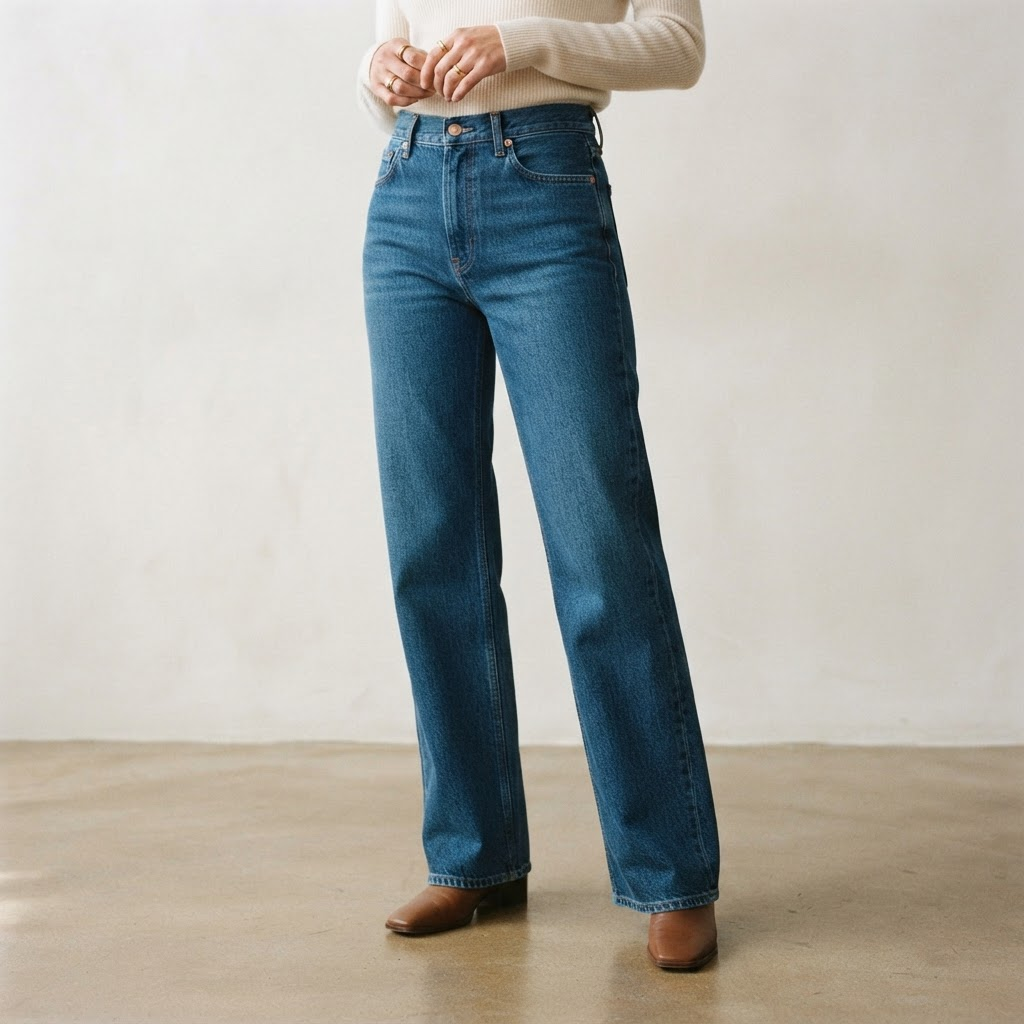
Relaxed fits can be developed with clean, versatile straight-leg lines. Adjust inseam length, hip ease, waistband bulk, and leg opening for the target customer, then confirm proportions and freedom of movement through fitting.
Styling example: hip and thigh ease, straight-leg lines, and full-length proportions.
Barrel & Sculpted-Leg Jeans
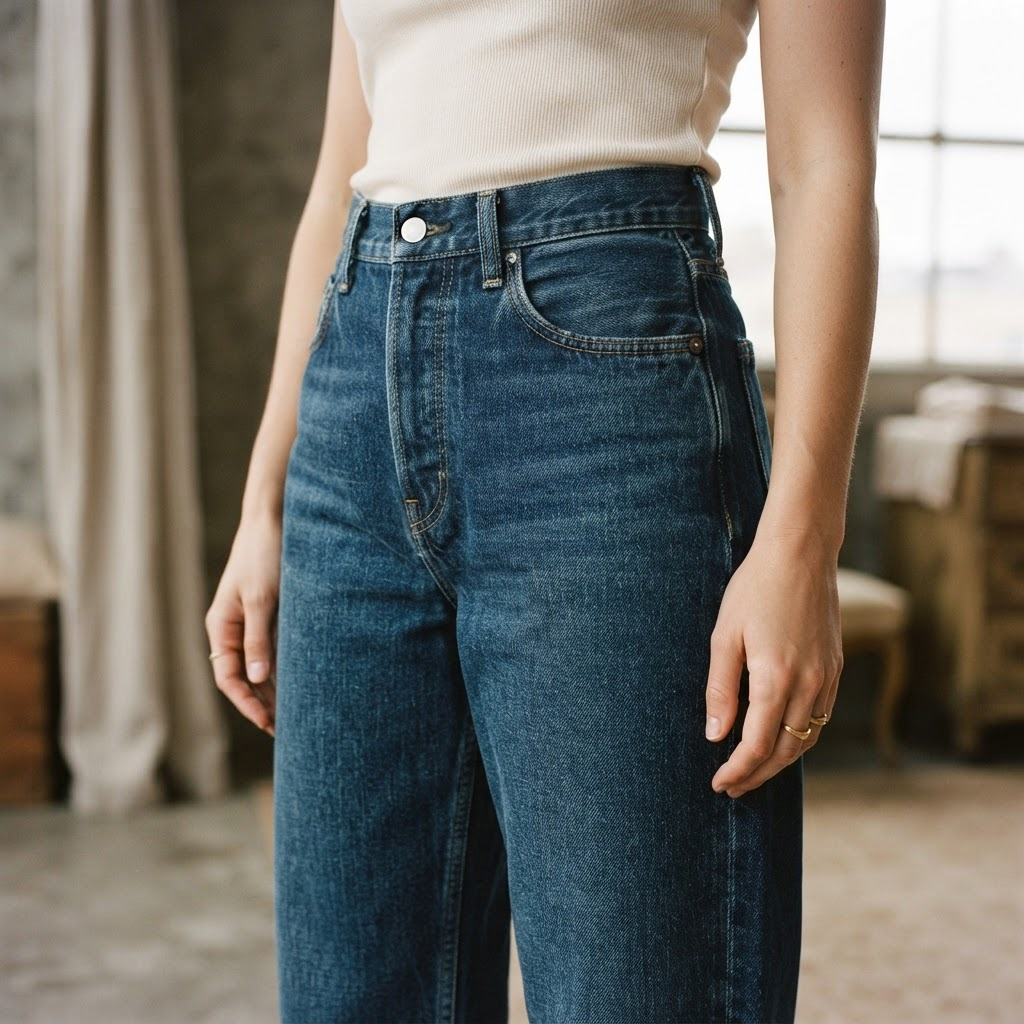
Curved side seams, knee darts, and gently tapered openings create a distinctive sculpted silhouette. Production checks should cover left-right symmetry, seam twisting, and consistent proportions across sizes.
Detail example: high-rise construction, front pockets, and hip-to-thigh ease.
Utility Details
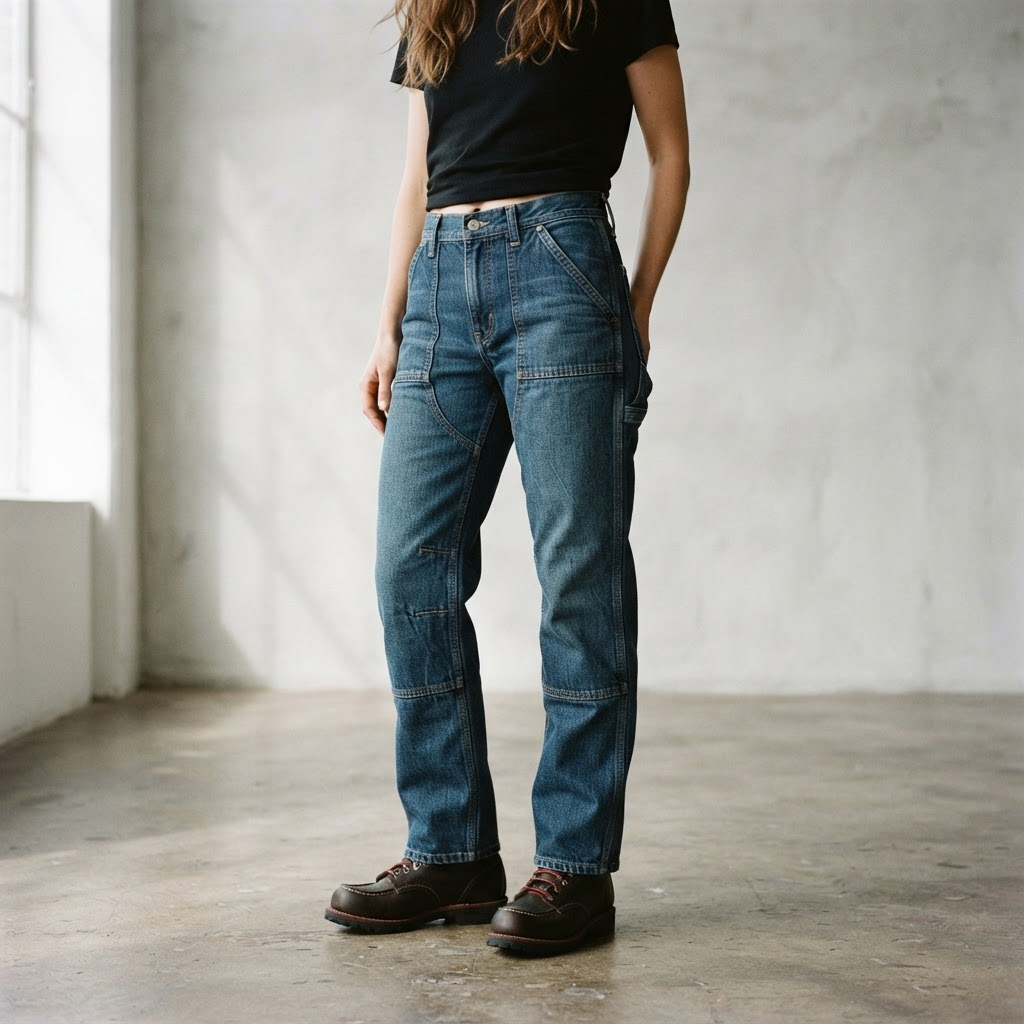
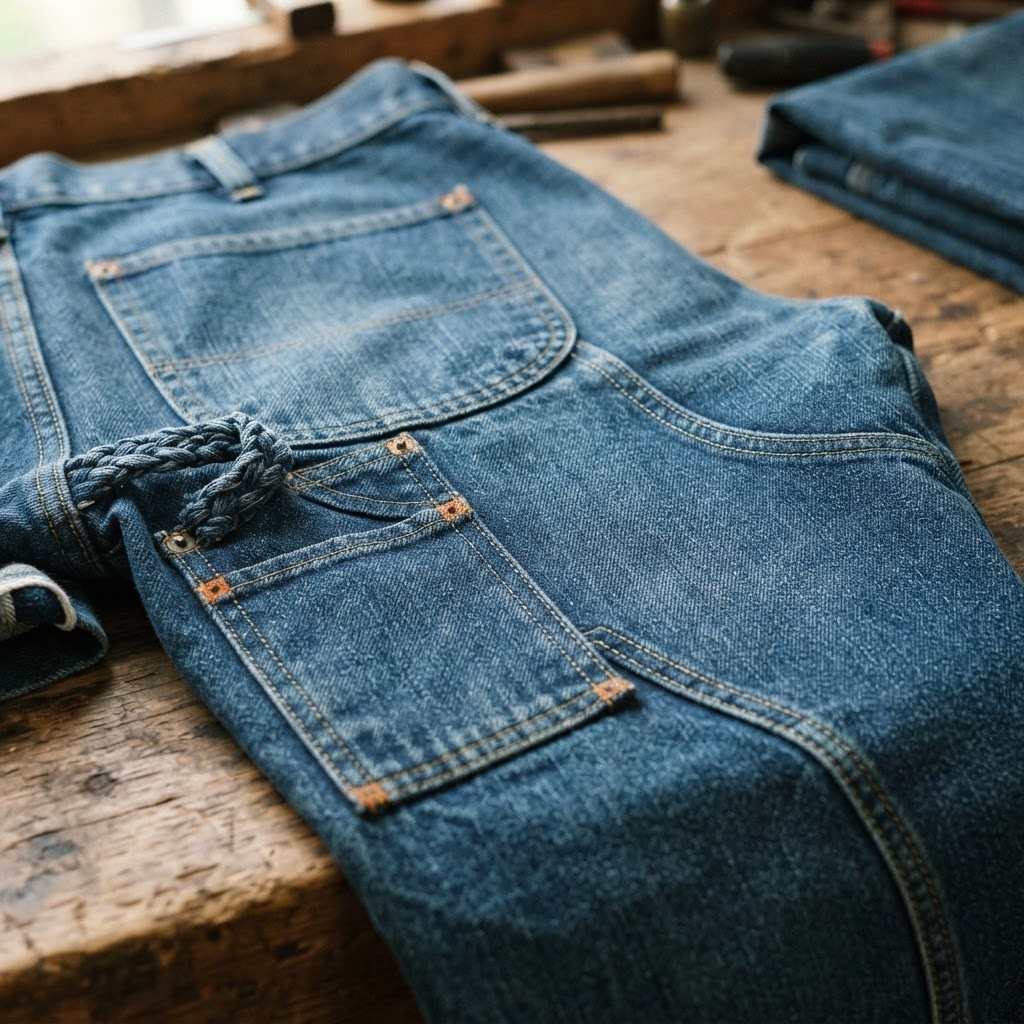
Carpenter pockets, articulated knee seams, tool loops, and reinforcement panels bring workwear elements into everyday denim. Balance detailing with comfort through suitable fabric weights, a soft hand feel, and streamlined pocket layouts.
Styling example: straight-leg proportions, pocket placement, and knee panels.
Detail example: utility pockets, loops, and reinforcing stitches.
Subtle Flares & Understated Vintage
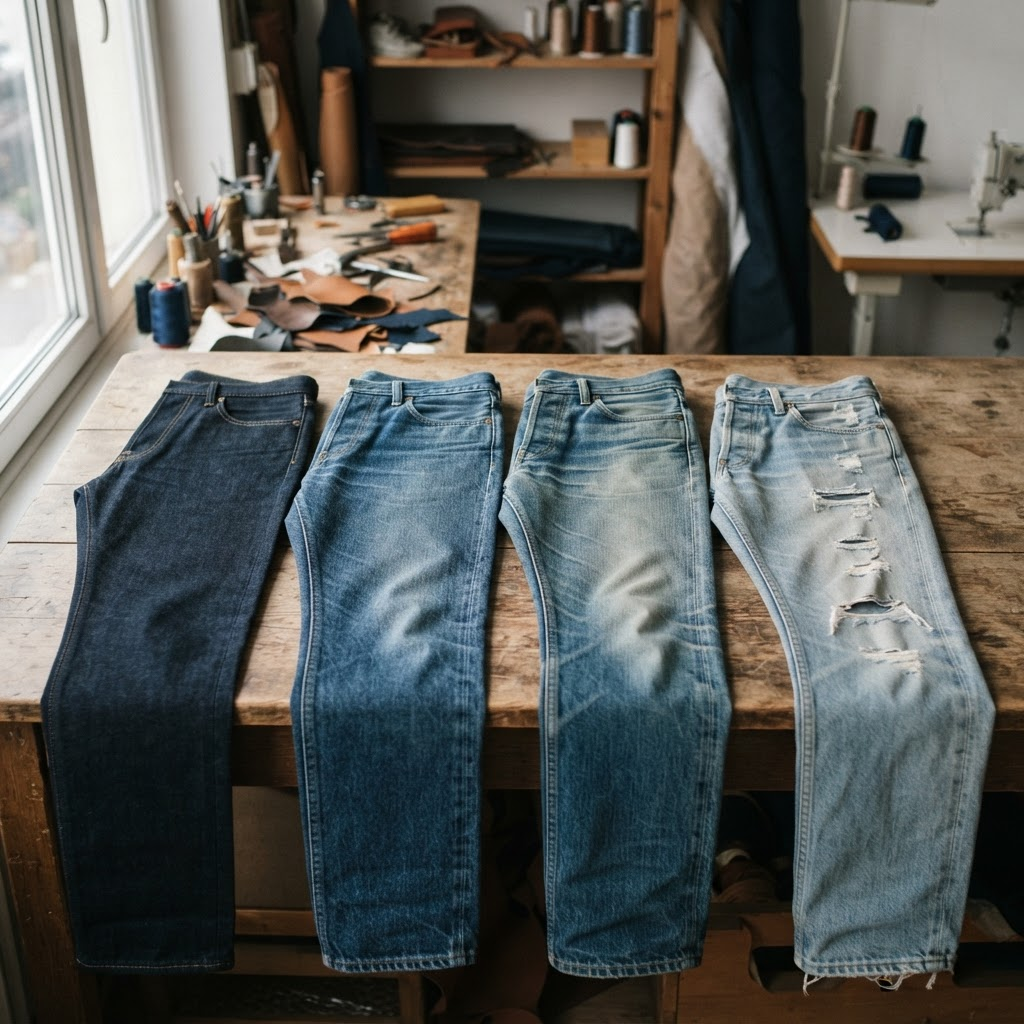
Slight flares and bootcut jeans offer an elongated alternative to wide-leg styles. Refine knee width, flare volume, and hem length, pairing them with deep indigo, smoky blue, or clean mid-blue washes for an accessible vintage look.
Fabric Character & Inclusive Fits
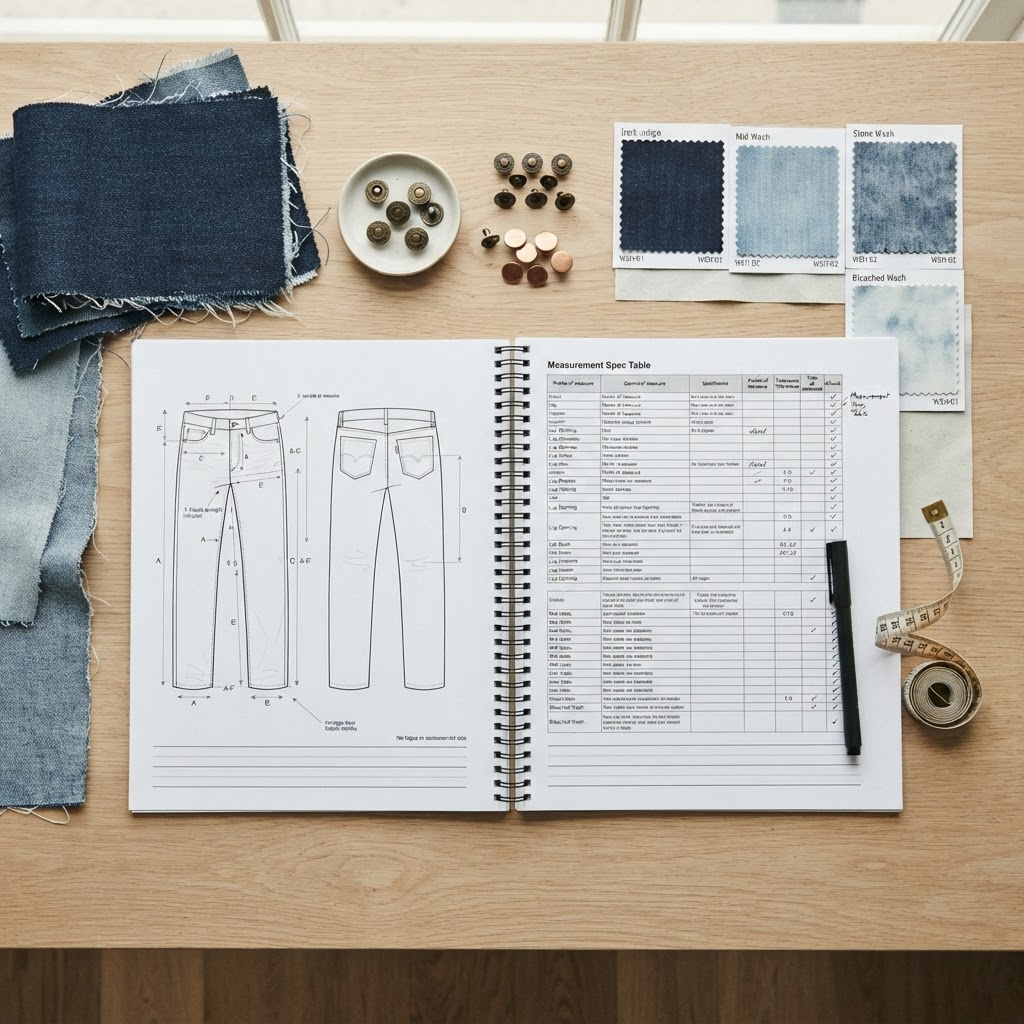
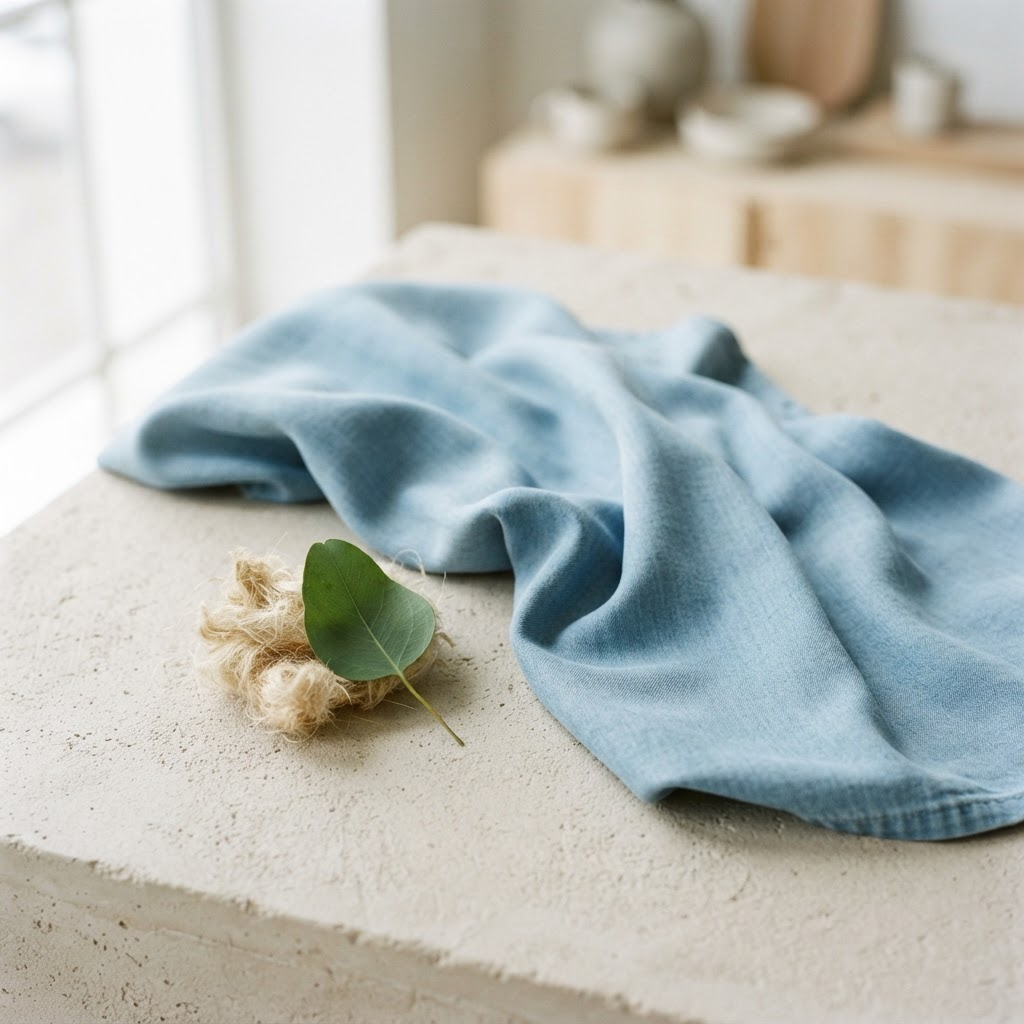
Fabric development can explore rigid cotton denim, low-stretch options, and simpler fiber compositions, evaluating hand feel, durability, and recycling requirements for each design. Fit development should address different waist-to-hip proportions and body shapes, rather than simply enlarging one base pattern.
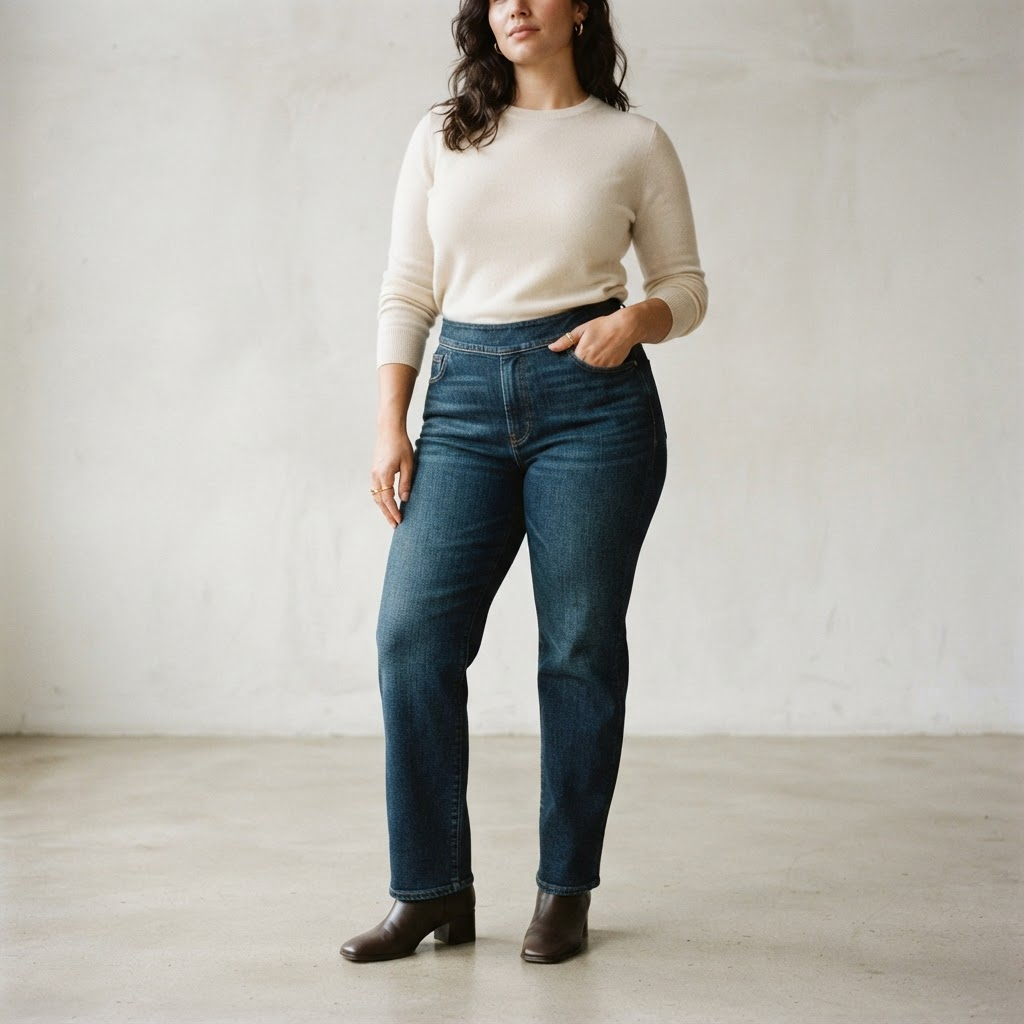
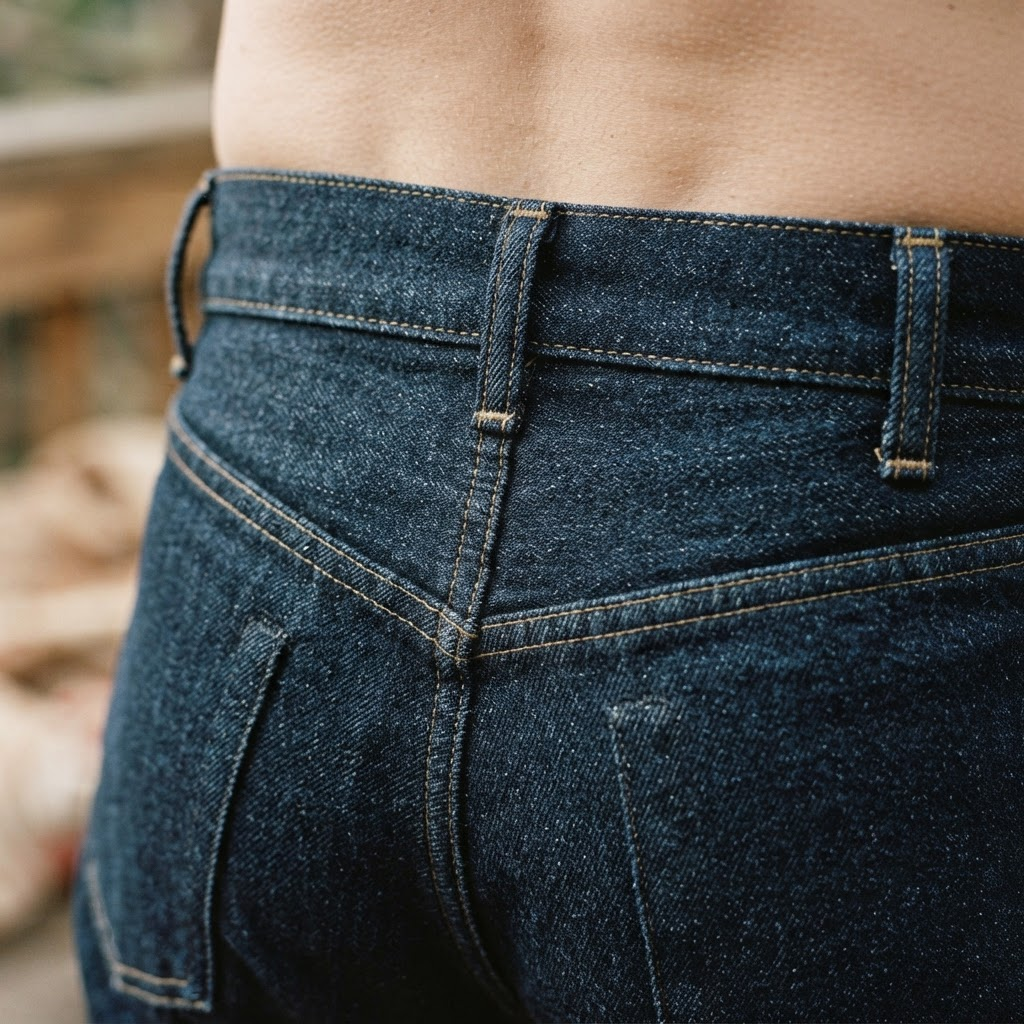
For customers with a greater waist-to-hip difference, adjust the contoured waistband, back rise, and hip-to-thigh ease. Use fitting to address waist gaping and pulling while preserving the denim’s structure.
Styling example: straight-leg proportions on a curvy figure.
Detail example: waistband, back yoke, and seam construction.
Planning a Wholesale Assortment
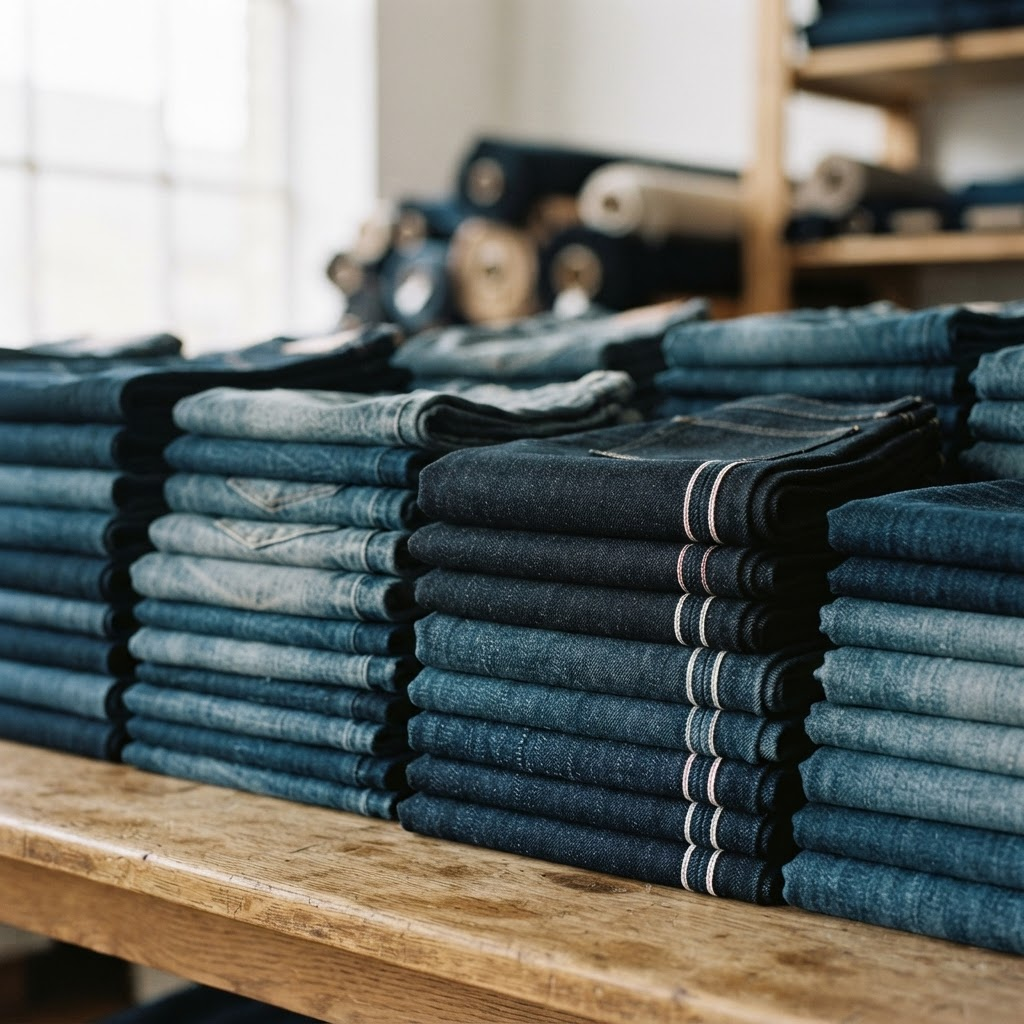
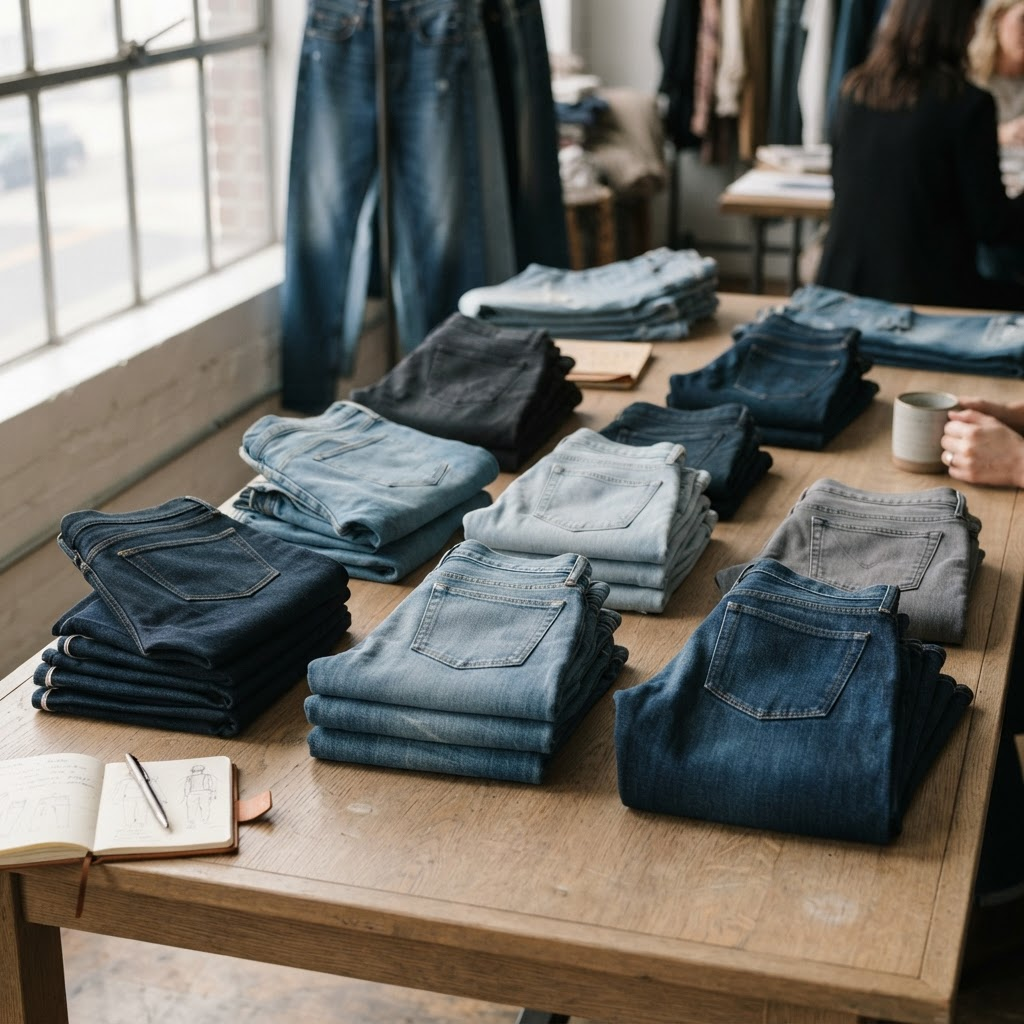
Divide the assortment into core styles, trend updates, and experimental designs. A 60% / 25% / 15% split can serve as an illustrative planning scenario, adjusted to your customers, price range, and sales history. It is not a market statistic or universal benchmark.
Combine initial test orders with replenishment planning. Review fit feedback, return reasons, and sales performance before adjusting subsequent orders. Document the target fit, styling occasions, and key selling points for each silhouette.
Planning your next denim collection? Share your target customers, price range, and sales history for support with fits, washes, and assortment development.